Recording
Once you have started getting some exposure, and interest from rappers, singers, songwriters, and so on, you might have some studio sessions coming up. So, then we face another question, do we have to rent a studio? Should I invest some money into buying my own equipment? What is the best way to go about this? Now, we all know that recording equipment can be infamously expensive, but a common misconception is that you need to spend tens of thousands of dollars to be able to make great, high quality recordings.
Renting a studio is very expensive, and can stack up a lot of bills. But sometimes it might be necessary to do that. However, it is a good idea to start building your own collection of studio equipment. Personally I wouldn't mind turning the living room of my flat into a recording studio. Or any space that I can use. Ideally it would be best to have a separate location for such things, but that depends on a number of different factors. At the end of the day all you really need is a decent audio interface, headphones, speakers, and of course a microphone. There is no shame in buying used equipment, as it is nine times out of ten more worth it. Some acoustic treatment is also important, but a good alternative for recording is to put a blanket over a microphone like Travis Scott for example https://www.youtube.com/watch?v=TteHD_2iOTk.
However, when it comes to mixing / mastering tracks that you received stems for after building your portfolio and social media page, having a controlled room is a bit more important. But you can easily make your own acoustic panels that are a lot cheaper than buying premade ones https://www.youtube.com/watch?v=HO7aeraKLsM&t=57s. It is also important to make sure that it is a good work environment, that is welcoming, and friendly. So having a coffee table and a couch or two would be a definite added bonus.
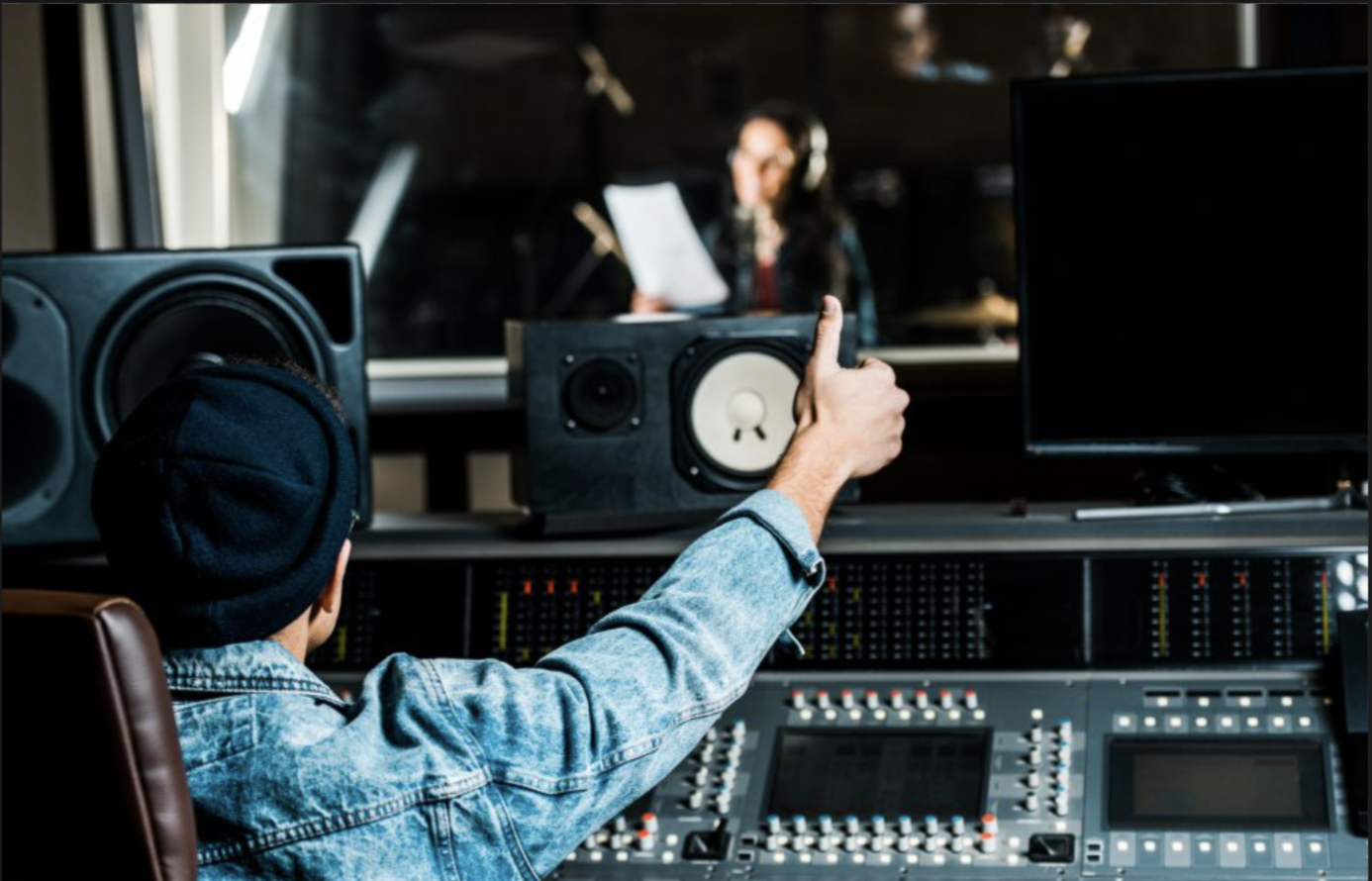
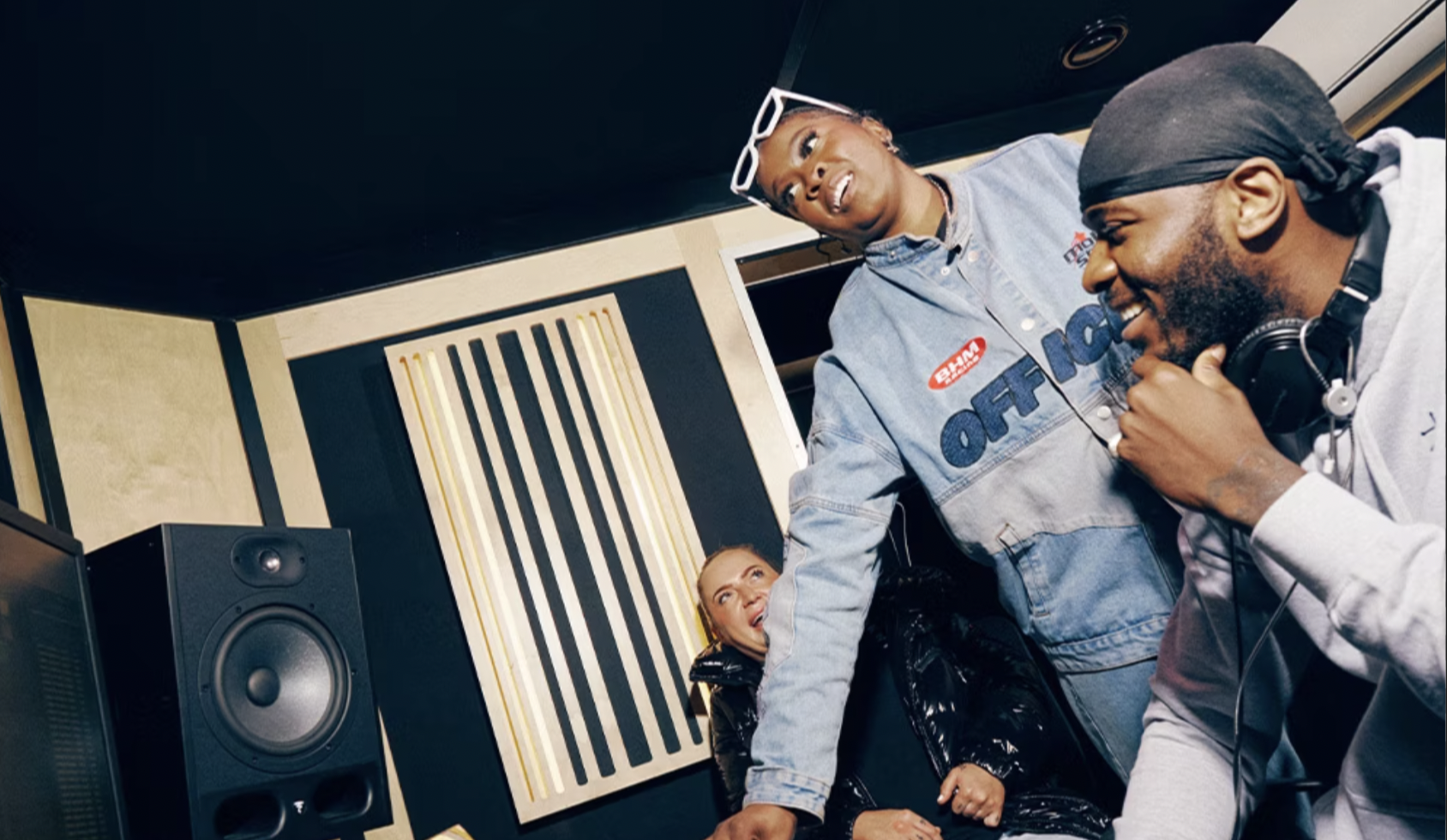
In my case I’m not only about making beats, I also love, and see myself recording, working on post production, and producing in general so that a track can reach its fullest potential. A recording engineer's job is to manage a session, to make sure that all the equipment is set up and used correctly. A good way to think about this is that the engineer is like the spine of a session. Besides being able to quickly navigate a DAW, and to ensure that a session runs smoothly so that the vibes are not killed, you also have to be a “therapist, and an actor of sorts”, if you will. Alex comments on this during our interview. There are many things that a recording engineer can do to put the artist in a good and comfortable mindset during a session. Like ensuring that the studio is clean, there is good lighting, there aren’t any random people there that the artist wasn’t expecting, or even asking an artist beforehand if they have any needs, do’s or don'ts, and so on.